
Mobility
Solution Tested:
.MOBI – The Fleet Sizing Tool for On-Demand Public TransportWhat was done?
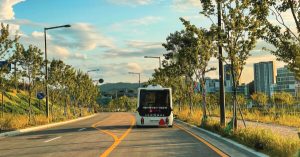
The pilot areas have been characterized by the development of a Vision Statement for the 4 case studies and by an Investment Plan for the Province of Brescia. The vision developed was to redefine mobility by providing a transportation solution that is autonomous, safe, eco-friendly, and easily accessible, creating a future where everyone can move freely and without barriers, while the mission was to generate political interest for further exploring and analysing the potential impact of autonomous mobility on demand AMOD and Demand-responsive transport DRT.
What are the results?
The main results of the pilot, as detailed in the Investment Plan (IP) and supporting assessments, focus on strategic planning, financial projections, and measurable socio-environmental improvements. No specific results have been achieved since the pilot was not defined to be really tested.
The Investment Plan identifies clear quantitative goals for the implementation phase, based on assumptions.
- Environmental savings: A 30% reduction in CO2 emissions and a 40% reduction in noise pollution (specifically in tourist/residential areas like Monte Isola).
- Modal shift: A 25% reduction in private vehicle usage in pilot areas.
- Economic savings for residents: projected savings of €500–€1,000 per household annually as residents shift from private cars to more affordable shared services.
- Increased accessibility: A 40% increase in public transport users among target populations (students, elderly) and a 20% increase in annual tourist visits to Monte Isola.
- Stakeholder engagement: the pilot successfully integrated over 10 key institutional partners, including provincial administrations, transport agencies (Agenzia TPL Brescia and Mantova), and private operators like Arriva Italia and APAM.
- Funding strategy: The IP established a diverse funding roadmap involving European Union grants (Horizon Europe, Interreg), Public-Private Partnerships, and the allocation of local tourism taxes to maintain the infrastructure.
- Implementation roadmap: a structured three-phase timeline was adopted, moving from feasibility and stakeholder engagement (Year 1) to pilot testing (Years 1–3) and full service implementation (Years 3–5).
What others can learn from this Pilot?
Other territories can replicate this model by following these key insights:
- Governance is essential: local administrations must act as “integrator policy organizations” to bridge regulatory gaps and lead the transition.
- Diverse funding is key: don’t rely on a single source. The pilot suggests a mix of EU grants (like Interreg or Horizon Europe), public-private partnerships, and innovative local sources like tourism taxes.
- Start with data: using assessment tools to create a clear “Vision Statement” is a powerful way to generate the political interest needed to secure further investment